UNESCO
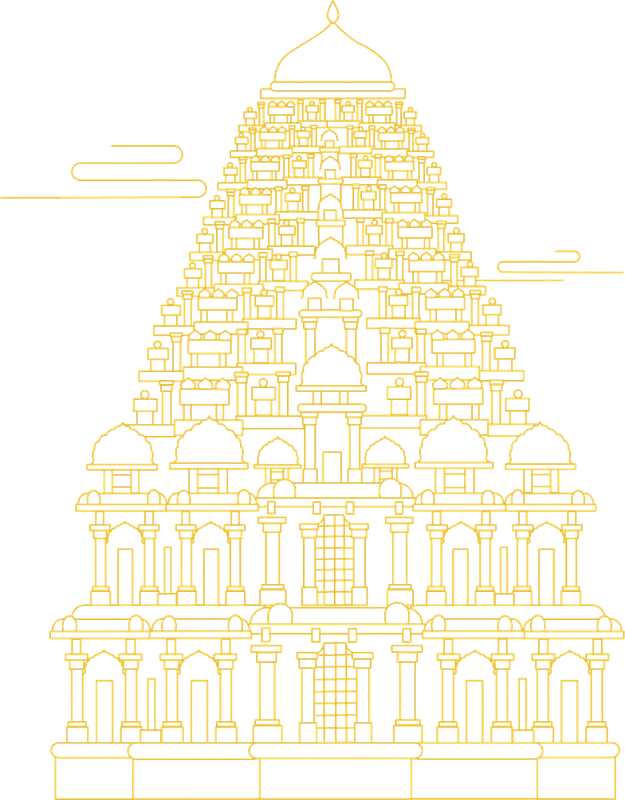
Brihadeeswarar Temple – The Big Temple
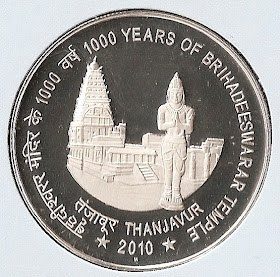
Built by Raja Raja Chola I in the 11th century — a UNESCO World Heritage Site with a 66-metre Vimana, a monolithic Nandi, ancient frescoes and the 108 Karana dance poses of Bharatanatyam.
Places to Visit In & Around Thanjavur
Temples, royal palaces, ancient water systems, museums and wetlands — the cultural capital of Tamil Nadu, right outside our door.
Heritage at Every Turn
From UNESCO World Heritage Sites to centuries-old engineering marvels, every destination tells a fascinating story of Tamil heritage.
Built by Raja Raja Chola I in the 11th century — a UNESCO World Heritage Site with a 66-metre Vimana, a monolithic Nandi, ancient frescoes and the 108 Karana dance poses of Bharatanatyam.

The Nayak and Maratha royal palace — grand halls, courtyards, art galleries and architecture that reflect the region’s regal past.

Rare palm-leaf manuscripts, books, maps and paintings on literature, science, medicine and the arts — opened to the public in 1918.

An enormous historic cannon near the fort’s eastern entrance — a showcase of traditional metalworking and military engineering.

Historic landmarks that preserve the architectural legacy and changing urban heritage of the old city.
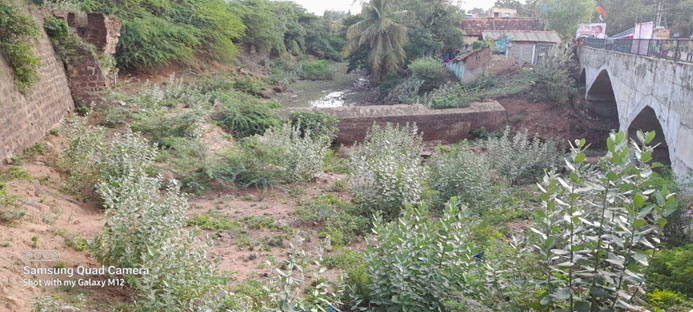
A 4.3 km defensive moat from the Chola and Pandya periods, partly absorbed into the Grand Anicut Canal in 1928–1934.
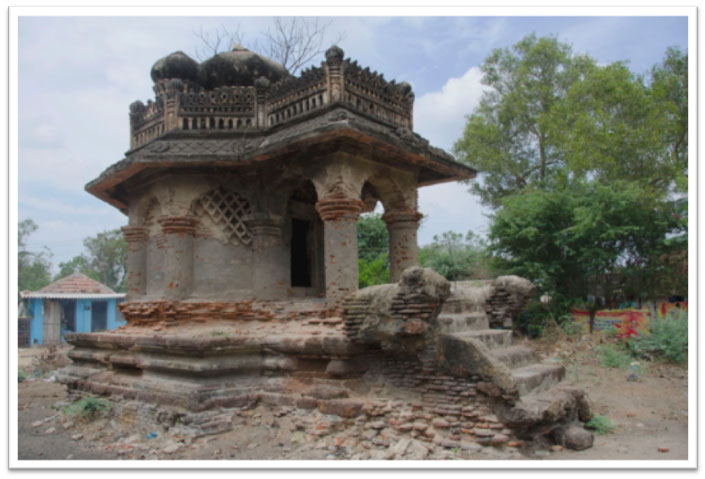
A group of Maratha-era Shiva temples at Vambulancholai on the southern bank of the Vadavar River.

Built by Karikala Chola around the 2nd century CE — one of the world’s oldest water-regulation structures still in use, about 329 m long.

An eight-storey, 23-metre hexagonal tower on the Bay of Bengal, built by Serfoji II in 1814–1815 to commemorate the victory over Napoleon.

One of Tamil Nadu’s largest sacred tanks, famous for the Mahamaham festival held once every twelve years and annual Masi Magham.

A 12th-century masterpiece of Raja Raja Chola II with a stone-chariot mandapa and musical steps — and a town famed for silk weaving.

A charitable rest house built by Serfoji II on 16 January 1802 in memory of his wife, with ornate woodwork and elephant motifs.
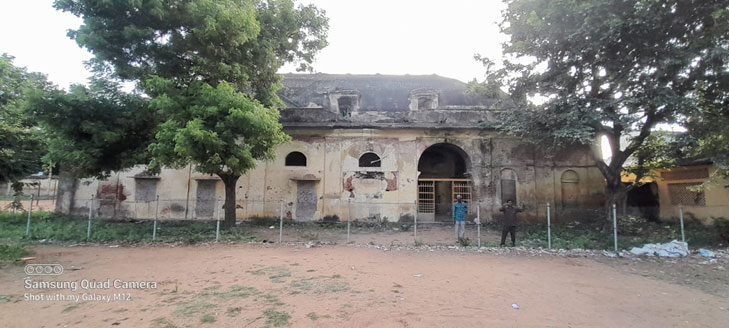
A 16th-century conical granary, 36 ft high and 84 ft wide, built to store about 90,000 kg of grain.
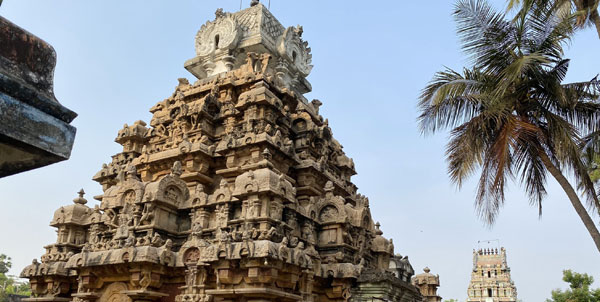
An early Chola temple from Parantaka I’s reign (10th century), renowned for its exquisite miniature sculptures.

A celebrated collection of Chola bronze icons, stone sculptures and traditional Indian art inside the palace complex.

Historical artefacts, sculptures and traditional objects showing the cultural evolution of the region.
India’s journey of food — production, grain storage and distribution — set up by the FCI with VITM Bengaluru.
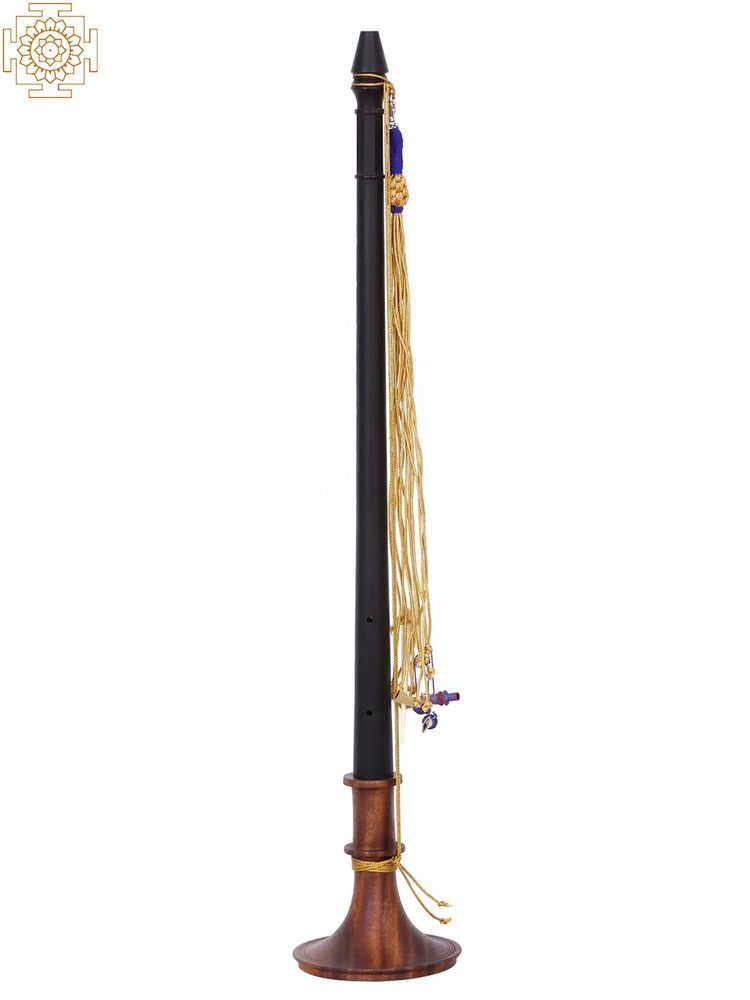
Traditional string, percussion and wind instruments of Carnatic music, including the celebrated Thanjavur Veena.

Built in 1995 for the 8th World Tamil Conference, with a State Archaeology museum and landscaped park.

An ornate Maratha structure in the Royal Palace complex, admired for its decorative balconies.
A Government of India centre showcasing classical and folk dance, music, theatre and crafts of South India.
Around 3,000 objects — coins, inscriptions, bronzes, burial urns, leather puppets and folk art — since 1983.

A landmark honouring Raja Raja Chola I, with a museum of sculptures, bronzes and coins and gardens lit up in the evening.

A 108-foot, four-storey observation tower offering a panoramic view of the city.

A 1871–72 public park beside the Big Temple around the historic Sivaganga Tank — boating, gardens and a mini zoo.

Boat journeys through mangrove forests and backwaters; flamingos, pelicans and painted storks from November to January.

A 128-hectare lake sanctuary with 40+ waterbird species — painted storks, ibises, pelicans and spoonbills.

Blackbuck, flamingos and dolphins on the coast at Kodiakkarai, with a Chola-period lighthouse nearby.

A peaceful wetland with up to 10,000 birds in season, purple moorhens and openbill storks; two watchtowers.

Rajendra Chola I’s capital and Brihadisvara temple (c. 1035 CE) — part of the UNESCO Great Living Chola Temples.
Timings, holiday schedules and seasonal access may change — please confirm locally or ask our front desk before visiting.
October to March is the most comfortable period for sightseeing, with more pleasant conditions than the hot summer months.
Combine the Art Gallery, Saraswathi Mahal Library, Sarjah Madi and museums into one heritage morning — they’re all in the palace complex.
November to February brings migratory birds from Siberia, Central Asia and Europe to Vaduvoor, Muthupet and Point Calimere.
Lakshmi Hotel · Thanjavur
Lakshmi Hotel is a convenient base for Thanjavur’s temples, palaces, museums and the Cauvery delta.